P Wave Morphology: Difference between revisions
Jump to navigation
Jump to search
mNo edit summary |
mNo edit summary |
||
| Line 16: | Line 16: | ||
[[Image:pta_changes.svg|thumb|The PTa segment can be used to diagnose pericarditis or atrial infarction.]] | [[Image:pta_changes.svg|thumb|The PTa segment can be used to diagnose pericarditis or atrial infarction.]] | ||
The '' | The '''P wave morphology''' can reveal right or left atrial stretch or atrial arrhythmias and is best determined in leads II and V1 during sinus rhythm. | ||
{| class="wikitable" | {| class="wikitable" | ||
! Characteristics of a normal p wave:<cite>Spodick</cite> | ! Characteristics of a normal p wave:<cite>Spodick</cite> | ||
Revision as of 03:55, 8 February 2009
| «Step 4:Heart axis | Step 6: QRS morphology» |
| Author(s) | J.S.S.G. de Jong, MD, A. Bouhiouf, Msc | |
| Moderator | J.S.S.G. de Jong, MD | |
| Supervisor | ||
| some notes about authorship | ||


The P wave morphology can reveal right or left atrial stretch or atrial arrhythmias and is best determined in leads II and V1 during sinus rhythm.
| Characteristics of a normal p wave:Spodick |
|---|
|
Elevation or depression of the PTa segment (the part between the p wave and the beginning of the QRS complex) can result from Atrial infarction or pericarditis.
If the p-wave is enlarged, the atria are enlarged.
If the P wave is inverted, it is most likely an ectopic atrial rhythm not originating from the sinus node.
Examples
-
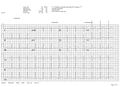 An example of normal sinus rhythm.
 -
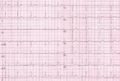 Another example of normal sinus rhythm.


References
<biblio>
- Spodick pmid=1575201
</biblio>